-Best-Playschool-Franchise-in-india
Building Bright Beginnings, One Child at a Time

-Best-Playschool-Franchise-in-india
Building Bright Beginnings, One Child at a Time , Sep-10-2026
Starting a playschool is a major decision because it combines two things that need equal attention: education and business management. Parents are not simply looking for a place where children spend a few hours each day. They want a safe, caring, engaging environment where their children can develop communication skills, confidence, independence, social habits, creativity, and a positive attitude toward learning. For an entrepreneur, this creates an opportunity to build a meaningful education business. However, choosing the Best playschool franchise India requires careful research. A familiar brand name may attract attention, but the quality of its curriculum, teacher training, franchise support, classroom environment, operational systems, and local market fit can have a much greater impact on the centre's day-to-day performance. This guide explains what entrepreneurs should consider before investing in a playschool franchise, how a franchise model works, what to look for in a Montessori Playschool Franchise, and how to evaluate different opportunities realistically. What Is a Playschool Franchise? A playschool franchise is a business arrangement in which an entrepreneur operates a preschool or early-learning centre using an established education brand's name, curriculum, systems, resources, and support structure. Instead of creating a preschool brand completely from the beginning, the franchise owner generally receives access to an existing framework. Depending on the franchisor, this may include curriculum guidance, teacher training, classroom setup assistance, learning materials, marketing support, admissions guidance, and operational processes. The exact services differ from one franchise provider to another. Therefore, entrepreneurs should never assume that every playschool franchise offers the same level of support. Before signing an agreement, it is important to understand: Initial franchise investment Centre setup expenses Recurring fees Royalty structure, if applicable Curriculum support Teacher training Learning materials Marketing assistance Technology or administration systems Agreement duration Renewal conditions Territory or location restrictions Exit and transfer conditions A franchise can provide a starting framework, but the local owner still needs to manage the centre, staff, parents, finances, facilities, and daily operations effectively. Why Are Entrepreneurs Interested in Playschool Franchises? Early childhood education is an important part of the education journey. Children begin developing basic communication, social interaction, motor skills, emotional awareness, creativity, and learning habits during their early years. For entrepreneurs, a playschool franchise can offer an opportunity to enter the education sector with an established operating model instead of developing everything independently. A franchise may also reduce some of the challenges associated with launching a new preschool brand. For example, creating a curriculum, developing classroom resources, establishing teaching procedures, designing marketing materials, and building an education brand from scratch can require considerable time and planning. An established franchise framework may provide some of these elements. However, this should not be confused with guaranteed business success. Enrolment, revenue, expenses, competition, staffing, parent satisfaction, and local demand can vary significantly from one location to another. That is why entrepreneurs should evaluate the complete business model rather than selecting a franchise based only on advertisements or projected returns. What Makes the Best Playschool Franchise in India? There is no universal answer to which company is the Best playschool franchise India because the right choice depends on the entrepreneur and the location. A franchise that works well in one city may not necessarily be the best fit for another neighbourhood. Similarly, an entrepreneur with education experience may have different requirements from someone entering the preschool sector for the first time. A useful evaluation should cover several areas. 1. Quality of the Curriculum The curriculum should be suitable for young children and their developmental needs. Preschool education should not simply copy the teaching methods used for older school students. Young children learn through play, interaction, observation, movement, stories, activities, conversations, creative expression, and hands-on experiences. A good early-learning programme can include: Storytelling Rhymes and music Drawing and colouring Building activities Puzzles Role play Group activities Picture-based learning Number activities Language development Outdoor play Creative activities Fine and gross motor activities The objective should be to support children's overall development while keeping learning enjoyable. When comparing franchise providers, ask for a clear explanation of the curriculum instead of relying only on phrases such as "advanced learning" or "international curriculum." 2. Teacher Training and Academic Support Teachers have a direct influence on the child's experience. Even a well-designed curriculum cannot work effectively if teachers are not properly prepared to deliver it. This makes teacher training one of the most important factors when evaluating a preschool franchise. Ask the franchisor: What initial teacher training is provided? Is training conducted before the centre opens? Is ongoing training available? How are new teachers trained? Are classroom observations conducted? Is academic guidance available after launch? Are teaching resources explained properly? Teachers working with young children need patience, communication skills, classroom-management abilities, and an understanding of children's different learning needs. A strong franchise support system should help teachers understand not only what activity to conduct but also why the activity is useful for children. 3. Safe and Child-Friendly Infrastructure Parents want to know that their children are safe while attending preschool. Therefore, infrastructure should be evaluated carefully before opening a centre. Important considerations can include: Safe entry and exit arrangements Child-friendly furniture Clean classrooms Suitable flooring Adequate lighting Ventilation Safe activity areas Clean washrooms Drinking water facilities Secure storage Outdoor play arrangements Emergency procedures The specific requirements may depend on the location and applicable local regulations. Entrepreneurs should also ask whether the franchisor provides guidance regarding centre layout and safety procedures or whether the owner has to manage these aspects independently. 4. Learning Materials and Classroom Resources Children learn effectively when they can interact with age-appropriate materials. A preschool classroom can include books, puzzles, blocks, art supplies, educational games, picture cards, activity materials, and other resources. The quality and suitability of these materials matter. A franchise owner should understand: Which materials are included? Are they part of the initial franchise package? Are additional materials purchased separately? How often are resources updated? Are teachers trained to use them? Are materials appropriate for different age groups? It is also worth checking whether the franchise expects owners to purchase materials only from specific suppliers. Understanding these details can help entrepreneurs calculate the actual cost of operating the centre. Montessori Playschool Franchise: What Should You Know? A Montessori Playschool Franchise can be appealing to entrepreneurs who prefer a child-centred approach to early education. Montessori education is commonly associated with hands-on learning, independence, concentration, exploration, practical activities, and specially designed learning materials. However, entrepreneurs should not choose a franchise simply because the word "Montessori" appears in its branding. The important question is how the programme actually applies Montessori principles. Before selecting a Montessori franchise, ask: What Montessori methodology is followed? What training do teachers receive? What learning materials are used? How are classroom activities organised? What age groups does the programme serve? How much freedom do children have during activities? How are teachers expected to guide children? How is progress observed? A genuine educational approach should be reflected in classroom practices, teacher preparation, learning materials, and the overall environment. Play-Based Learning in Preschool Play is an important part of early childhood learning. Children naturally explore their surroundings through play. A well-planned preschool can use this natural interest to develop language, social interaction, creativity, coordination, and basic reasoning skills. For example, a simple building activity can encourage children to explore shapes, balance, planning, and cooperation. A pretend shop activity can introduce communication, counting, social interaction, and vocabulary. Storytelling can help children develop listening skills, imagination, language, and the ability to understand different situations. Art activities can encourage creative expression and hand coordination. These activities should have an educational purpose while still allowing children to enjoy themselves. A franchise owner should therefore understand how much of the programme is based on meaningful activities and how much relies on worksheets or repetitive tasks. Understanding Different Preschool Age Groups A playschool may serve children across different age groups, and learning activities should be adapted accordingly. Younger children may need more opportunities for: Sensory exploration Movement Simple communication Music Stories Basic social interaction Creative activities Older preschool children may gradually participate in: More structured group activities Early language development Number recognition Drawing and writing preparation Problem-solving games Story comprehension Independent tasks Classroom routines The progression should be gradual. A good preschool programme recognises that children develop at different rates. Not every child will respond to the same activity in the same way. Teachers should therefore be able to observe children and adjust their approach when appropriate. How to Evaluate a Playschool Franchise Business Model Education quality is only one part of the decision. An entrepreneur also needs to understand whether the franchise model makes financial and operational sense. Start by identifying the complete cost. The investment may include: Franchise fee Property deposit or rent Interior work Furniture Educational materials Staff salaries Marketing Utilities Registration or compliance costs Insurance, where applicable Maintenance Administrative expenses Some costs may be one-time expenses, while others will continue every month. Do not evaluate an opportunity based only on the initial franchise fee. For example, a franchise with a relatively low entry fee may still require significant spending on infrastructure, staff, marketing, and learning resources. Similarly, a higher initial investment does not automatically mean better educational quality or stronger business potential. The complete cost structure matters. Location Selection for a Playschool Location can strongly influence preschool enrolment. An entrepreneur researching best playschoolindelhi, for example, should not simply look at Delhi as a whole. Different neighbourhoods have different family demographics, competition, property costs, accessibility, and parent preferences. The same principle applies to other cities. Before selecting a location, research: Nearby residential areas Identify whether enough families with young children live within a practical distance. Existing competition Look at other playschools and preschools in the area. Consider their fees, facilities, reputation, curriculum, location, and positioning. Accessibility Parents generally value convenient locations. Consider roads, public transport, parking, walking access, and the distance from residential communities. Property costs Rent can become one of the largest ongoing expenses. The property should therefore make financial sense for the expected enrolment. Local parent expectations Parents in different areas may have different expectations regarding teaching style, fees, facilities, timings, transport, and extracurricular activities. Researching these factors before signing a property agreement can prevent costly mistakes. Understanding Parent Expectations Parents are the primary decision-makers when choosing a preschool, but their expectations are not always identical. Some parents may prioritise safety and teacher attention. Others may focus on curriculum, activities, communication, facilities, location, timings, or fees. A successful preschool should communicate clearly about what it offers. Parents should be able to understand: What children learn How teachers interact with children What activities are conducted How progress is observed How parents receive updates What safety procedures are followed What the daily routine looks like Clear communication can help build trust. A franchise owner should also establish a simple process for handling parent questions, suggestions, and concerns. Parent Communication in a Preschool Good communication does not mean sending parents promotional messages every day. It means providing useful information at the right time. For example, parents may want to know about: Classroom activities Upcoming events Holiday schedules Child progress Attendance Important notices Health and safety procedures Changes in timings School policies Teachers and administrators should communicate respectfully and professionally. When parents feel that the preschool listens to them and keeps them informed, it becomes easier to build long-term relationships. Marketing a New Playschool A new preschool needs local visibility. Franchise providers may offer marketing materials, brand guidelines, digital resources, admission campaigns, or promotional support. However, the franchise owner should understand exactly what is included. Local marketing may involve: A properly optimised website Google Business Profile Local search visibility Social media communication Community outreach Parent information sessions School events Local advertising Referral programmes Open-house activities Marketing should accurately represent the centre. Entrepreneurs should avoid making unrealistic claims about guaranteed admissions, guaranteed returns, or educational outcomes. Parents are making an important decision about their children. Clear and truthful communication is essential. What Is the Role of the Franchise Owner? Buying a franchise does not mean that the franchisor manages everything. The local owner may still need to manage: Staff recruitment Staff attendance Parent communication Local marketing Admissions Fees Centre maintenance Supplies Daily administration Local compliance Financial planning The exact responsibilities depend on the franchise agreement. Before investing, entrepreneurs should honestly assess whether they have the time and management ability required to operate a preschool. A playschool is not a passive investment. It requires daily attention to people, children, parents, staff, facilities, and operations. What Support Should a Franchise Provide? Support varies considerably among franchise providers. A prospective owner should ask for the support structure in writing. Possible support areas include: Pre-launch support: Location evaluation, centre planning, branding, setup guidance, and staff preparation. Academic support: Curriculum, lesson plans, activity guidance, teacher training, and academic resources. Operational support: Admissions processes, administrative systems, parent communication, and daily management guidance. Marketing support: Brand assets, promotional material, digital campaigns, and local marketing guidance. Post-launch support: Periodic training, academic updates, operational reviews, and troubleshooting. Do not assume that verbal promises are included in the franchise package. Review the written agreement carefully. Questions to Ask Existing Franchise Owners One of the most useful steps before choosing a franchise is speaking with existing franchisees, where possible. Ask them about their actual experience. For example: Did the franchisor provide the promised training? Was the curriculum easy to implement? Were learning materials delivered on time? How useful was the marketing support? How responsive was the support team? What unexpected expenses appeared? How long did it take to build enrolment? What challenges did they face with staffing? Would they choose the same franchise again? Existing franchise owners can provide practical information that may not appear in promotional material. However, one franchise owner's experience should not be treated as universal. Try to speak with more than one operator and compare their experiences. Financial Planning Before Investing A detailed financial plan is important before signing a franchise agreement. Calculate your expected expenses for at least the early operating period rather than assuming that the centre will immediately reach full enrolment. Consider: Monthly rent Staff salaries Utilities Marketing Cleaning and maintenance Learning materials Administrative costs Technology expenses Insurance or other applicable costs Franchise-related payments Then consider realistic enrolment scenarios. For example, calculate what happens if enrolment is lower than expected during the first year. This helps you understand how much working capital may be needed. Avoid making the decision based solely on projected revenue supplied by a franchise salesperson. Ask how projections were calculated and whether they represent typical results or only potential scenarios. Legal and Compliance Considerations Preschool businesses may be subject to local rules and requirements, which can differ depending on the state, city, property, and nature of the centre. Before opening, entrepreneurs should identify the applicable requirements for their location. These may relate to: Business registration Property use Fire safety Building requirements Child safety Staff documentation Sanitation Employment requirements Local permissions Insurance The franchise provider may offer guidance, but the owner should independently confirm the requirements that apply to the specific centre. Professional legal or compliance advice can be useful before signing a long-term franchise agreement. Common Mistakes Entrepreneurs Should Avoid Choosing a playschool franchise without adequate research can create problems later. Choosing Only on Brand Name A recognised name can help with initial visibility, but it does not replace good management and teaching. Focusing Only on Investment A low entry price does not necessarily mean low total cost. Calculate the complete setup and operating expenses. Ignoring Teacher Training The curriculum is only useful when teachers know how to deliver it effectively. Not Studying the Local Market A strong franchise model can still struggle in a location with high competition, unsuitable demographics, or expensive property. Accepting Revenue Claims Without Questions Ask for assumptions, costs, timelines, and realistic scenarios. Not Reading the Franchise Agreement Understand fees, renewal terms, territory rights, brand rules, exit conditions, and responsibilities before signing. Assuming the Franchisor Handles Everything The owner still has significant responsibilities in most franchise models. How to Compare Two Playschool Franchises Suppose you are comparing two franchise opportunities. Instead of asking only which brand is more popular, create a comparison based on the factors that actually affect your centre. Factor Franchise A Franchise B Initial investment Check Check Recurring fees Check Check Curriculum Review Review Teacher training Review Review Learning materials Review Review Centre setup support Review Review Marketing support Review Review Operational support Review Review Agreement terms Review Review Local competition Research Research Parent demand Research Research This approach can make the decision more objective. What Parents Should Look for in a Franchise-Run Playschool Although this guide is primarily for entrepreneurs, the parent's perspective is equally important. A good preschool should provide a safe and welcoming environment. Parents can look at: Teacher-child interaction Cleanliness Classroom organisation Outdoor play Learning activities Teacher qualifications and training Communication with parents Daily routine Safety practices Overall behaviour of staff A beautiful building does not automatically mean a good preschool. Observe how teachers speak to children and whether children appear comfortable participating in activities. Creating a Positive Preschool Environment The atmosphere of a playschool can influence how children feel about learning. A positive environment should encourage children to ask questions, communicate, explore, make mistakes, and try again. Teachers can support this by: Listening patiently Giving children time to respond Encouraging participation Recognising effort Using positive language Providing age-appropriate choices Helping children work together Avoiding unnecessary pressure Young children should not feel that every activity is a test. Early education should help children develop confidence and a positive relationship with learning. Why Early Childhood Education Matters The preschool years provide opportunities to develop skills that children will continue using throughout their education. These include: Communication: Children learn to express thoughts, listen to others, and build vocabulary. Social skills: Group activities help children learn cooperation, sharing, turn-taking, and communication. Physical development: Movement, drawing, cutting, building, and outdoor activities support motor development. Creativity: Art, music, storytelling, and imaginative play allow children to express ideas. Independence: Simple classroom responsibilities can help children become more confident and responsible. Problem-solving: Puzzles, construction activities, games, and guided challenges encourage children to think and try different solutions. These areas should be considered when evaluating the educational quality of a preschool franchise. The Difference Between Playschool and Formal Schooling Playschool is not simply a smaller version of primary school. Young children need different teaching methods. Formal academic pressure at an early age can make learning stressful. Preschool education should instead create a foundation for future schooling. Children can gradually become familiar with: Classroom routines Listening Speaking Following instructions Recognising basic concepts Working with others Completing simple tasks Taking care of their belongings These habits can make the transition to formal schooling easier. Is a Playschool Franchise Right for Every Entrepreneur? No. A playschool franchise may be suitable for someone who is genuinely interested in education and willing to manage people and operations. It may not be suitable for someone looking for a completely passive business. Running a preschool involves responsibility because the centre works directly with young children and their families. An entrepreneur should be prepared to invest time in: Hiring the right staff Maintaining standards Communicating with parents Reviewing classroom quality Managing finances Supporting teachers Handling admissions Maintaining the premises Business planning and educational responsibility need to work together. How to Find the Best Playschool Franchise for Your Location Start with the location rather than the brand. First, understand the local market. Then create a shortlist of franchise providers that match your budget and educational preferences. For each option, review: Curriculum Franchise investment Recurring expenses Teacher training Centre setup Learning materials Marketing support Operational support Agreement terms Existing franchisee feedback Visit existing centres if possible. Observe the classrooms, speak with staff, and understand how the franchise model works in practice. Only after this research should you move toward signing an agreement. Frequently Asked Questions What is the Best playschool franchise India? There is no single franchise that is best for every entrepreneur. The right choice depends on the educational model, location, investment, support, curriculum, competition, and management requirements. Is a Montessori Playschool Franchise a good option? It can be suitable for entrepreneurs interested in Montessori-style early education. However, the actual curriculum, teacher training, learning materials, and implementation should be evaluated before making a decision. How much investment is required to start a playschool franchise? The investment varies significantly between franchise providers and locations. Costs can include franchise fees, rent, interiors, furniture, learning materials, staff, marketing, and working capital. Is a playschool franchise profitable? A playschool can be a viable business, but profitability is not guaranteed. Results depend on enrolment, pricing, rent, salaries, competition, operating costs, local demand, and management. What should I check before signing a franchise agreement? Review the complete fee structure, agreement duration, renewal terms, territory restrictions, franchisor support, responsibilities, termination conditions, and other legal terms. Does a franchise provide teachers? Some franchisors may assist with teacher recruitment or training, while others may leave recruitment to the franchise owner. Confirm the exact arrangement before investing. What is more important, curriculum or infrastructure? Both matter, but they serve different purposes. Infrastructure provides a safe and suitable environment, while curriculum and teaching quality determine much of the educational experience. Can I start a playschool franchise in Delhi? Yes, entrepreneurs can explore preschool franchise opportunities in Delhi, but they should research the specific locality, competition, property costs, parent demand, and applicable requirements before investing. What does a good preschool curriculum include? It can include language development, storytelling, creative activities, early numeracy, physical activities, social interaction, play-based learning, observation, and age-appropriate problem-solving. Should I choose a franchise based on low investment? Not necessarily. A low initial fee does not mean the overall business will cost less. Compare the complete investment and recurring expenses. How important is teacher training? Teacher training is extremely important because teachers are responsible for turning the curriculum into meaningful classroom experiences. How can I evaluate a franchise's reputation? Review available information, visit existing centres, speak with current franchise owners, examine the curriculum, and look at the actual support provided rather than relying solely on promotional claims. What About the Keywords Related to Machine Learning? The keywords “Best Machine Learning course for kids India” and “Machine Learning Institute for Kids in India” belong to a completely different educational search intent. They should not be used heavily in a playschool article because doing so can make the content less relevant to readers and search engines. If these keywords are required for a broader website SEO strategy, they are better targeted through dedicated Machine Learning content rather than forcing them into a preschool franchise article. The main focus of this article should remain Best Playschool Franchise in India, Montessori Playschool Franchise, preschool education, early childhood learning, and franchise business opportunities. Conclusion Choosing the Best playschool franchise in India requires more research than comparing franchise fees or brand popularity. Entrepreneurs should evaluate the complete education model and business structure together. A good franchise should have a clear curriculum, appropriate learning resources, teacher training, practical operational support, and transparent business terms. The entrepreneur should also research the local market, understand the complete cost of running the centre, and review the franchise agreement carefully. For those considering a Montessori Playschool Franchise, it is especially important to examine how Montessori principles are actually implemented in classrooms rather than relying on branding alone. The strongest decision is one based on evidence: visit centres, speak with existing franchise owners, review the curriculum, understand the costs, study the local market, and ask detailed questions before committing. A playschool is both a business and an educational environment for young children. Building it successfully requires financial planning, good management, trained teachers, and a genuine focus on creating a safe and positive learning experience.
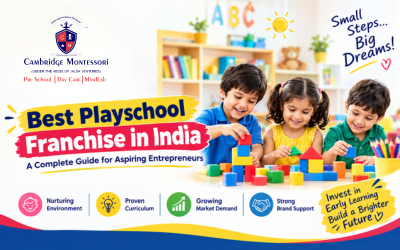
A practical guide to choosing the Best Playschool Franchise in India, covering curriculum, Montessori learning, teacher training, setup, support, and future-ready STEM education.
Popular
- International Play School Franchise
- Nursery Preschool For Kids In Delhi
- Best Playschoolindelhi
- Best Play School In Delhi
Shopeze.in
Boost via Reels & Images
Learn Python By Gagan Khanna
Professional Help for Growth
Tags
International Play School Franchise Nursery Preschool For Kids In Delhi Best Playschoolindelhi Best Play School In Delhi